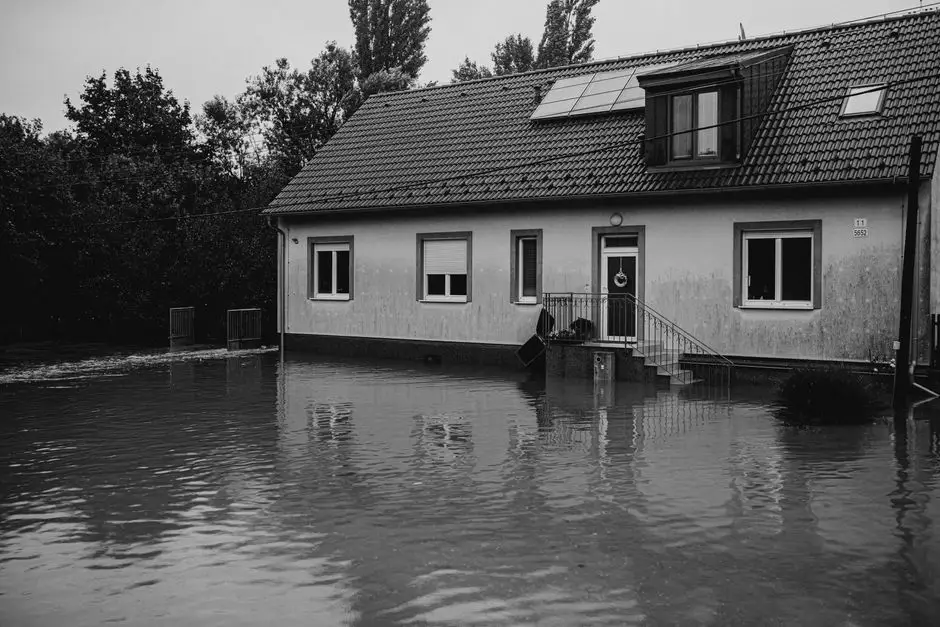
Water extraction is the physical removal of standing water from your floors, walls, and cavities using pumps and wet vacuums. Water damage mitigation is everything that happens after the water is gone - stopping moisture from spreading, drying the structure, and preventing mold. You almost always need both, and the order matters: extraction first, mitigation second.
If your condo on South Ocean Drive has an inch of water on the tile, extraction is the emergency. If the water is gone but the baseboards are still damp three days later, mitigation is the emergency. We run both out of the same truck across Hallandale, and the difference between them is the difference between a floor that dries in three days and one that gets ripped out in three weeks.
The Short Answer: Extraction Removes Water, Mitigation Stops the Damage
Water extraction vs water damage mitigation in Hallandale, Florida comes down to one thing: extraction is a removal step, mitigation is a stabilization process. Extraction is measured in gallons per minute. Mitigation is measured in days.
Extraction takes hours. Mitigation takes three to five days on a typical Hallandale job, sometimes longer in older buildings where water hides inside concrete block and behind tile. Extraction equipment is portable and loud. Mitigation equipment is portable and quiet - air movers, dehumidifiers, and moisture meters running around the clock.
Here is the practical split:
- Extraction: pumps, wet vacuums, weighted extraction heads, truck-mount units. Removes visible water.
- Mitigation: air movers, LGR dehumidifiers, injection drying, antimicrobial application, moisture mapping. Removes hidden water and stops secondary damage.
One without the other leaves you with a problem. Extract and skip mitigation, and you get mold in the wall cavity within 48 to 72 hours. Mitigate without extracting first, and your dehumidifiers fight a losing battle against standing water.
What Is Water Extraction in Hallandale?
Water extraction in Hallandale, Florida is the process of removing standing and pooled water from a structure using mechanical equipment - submersible pumps for deep water, truck-mount or portable wet vacuums for shallow water, and weighted extraction heads for carpet and pad.
On a typical Hallandale job, extraction looks like this:
- We shut off the water source or confirm it is already off.
- We check for electrical hazards and, if needed, kill power to the affected rooms.
- We pump out any water deeper than two inches with a submersible pump.
- We run weighted extraction heads over carpet to pull water out of the pad.
- We use a wet vacuum on hard surfaces and in corners where pumps cannot reach.
- We check the water with a moisture meter and a thermal camera to see what is left.
A standard Hallandale condo with 400 square feet of wet flooring takes two to four hours to extract. A single-family home with a flooded garage and two wet bedrooms can take six to eight hours. The water has to be gone before anything else works.
If the water came from a supply line or a slab leak, we handle the repair side too - our water leak restoration in Hallandale, Florida covers the fix and the dry-out in one visit.
What Is Water Damage Mitigation in Hallandale?
Water damage mitigation in Hallandale, Florida is the process of stabilizing a wet structure so it dries without mold, warping, or structural damage. It starts the moment extraction ends and runs until every material reads dry on a moisture meter.
Mitigation is where the real work happens. On a Hallandale job, that means:
- Placing air movers every 10 to 16 feet along wet walls to keep air moving across surfaces.
- Running LGR dehumidifiers to pull moisture out of the air so the wet materials can release it.
- Drilling small holes in baseboards or injecting air behind walls when the wall cavity is wet.
- Applying an antimicrobial to framing and any porous material that stayed wet more than 24 hours.
- Mapping moisture daily with pin and pinless meters until readings match a dry standard.
We target 12 to 15 percent moisture content on wood framing and under 16 percent on drywall. When those numbers hold for 24 hours straight, mitigation is done. Not before.
If you are not sure whether your situation calls for extraction or mitigation, our water damage mitigation services Hallandale team can walk the space with you and tell you straight.
What Is the Difference Between Water Extraction and Water Damage Mitigation?
The difference between water extraction and water damage mitigation Hallandale homeowners ask about is timing and purpose. Extraction is immediate and physical - it removes water you can see. Mitigation is ongoing and environmental - it removes water you cannot see and prevents the damage that follows.
Put another way:
- Extraction answers: Where is the water right now?
- Mitigation answers: Where did the water go, and what is it doing to the building?
Extraction is done with pumps and vacuums. Mitigation is done with air, heat, and time. Extraction is one visit. Mitigation is three to five visits, sometimes more.
You cannot substitute one for the other. A pump will not dry a wall cavity. A dehumidifier will not pull two inches of water off a tile floor. They are two halves of the same job.
When to Use Water Extraction vs Water Damage Mitigation in Hallandale
When to use water extraction vs water damage mitigation in Hallandale depends on what you see and what you smell. If there is standing water, extract. If the water is gone but the room still smells like a wet basement, mitigate.
Here is how we triage it in the field:
- Standing water on any surface: extract now. Every hour you wait, water wicks higher into drywall and baseboards.
- Water gone, but carpet is squishy: extract the pad, then mitigate. Pad holds water like a sponge.
- Water gone, carpet dry, but baseboards are cool to the touch: mitigate. The wall cavity is wet.
- Musty smell 24 to 48 hours after the leak: mitigate immediately. That smell is microbial growth starting.
- Water came from a toilet or sewage line: extract, then mitigate with antimicrobial and, in some cases, remove and replace porous materials. That is a contaminated water category and needs a different protocol.
For a flooded home in Hallandale, we usually run extraction and mitigation on the same day. The truck arrives, we extract, we set equipment, and we come back daily until the readings are dry.
If the water came in from outside - a storm surge, a burst pipe during a rain event, or a failed sump - our flood restoration services in Hallandale, Florida handle the full sequence from pump-out to final dry-out.
Water Extraction vs Water Damage Mitigation Cost in Hallandale, Florida
Water extraction vs water damage mitigation cost in Hallandale, Florida breaks down differently because they are billed differently. Extraction is priced by the hour or by the square foot of affected area. Mitigation is priced by the day, by the number of equipment units, and by the square footage of material being dried.
Typical 2026 pricing in this area:
- Water extraction: $150 to $400 for a small condo or single room; $500 to $1,200 for a full home with multiple wet rooms.
- Water damage mitigation: $1,200 to $3,500 for a standard 1,000 to 1,500 square foot Hallandale unit, covering three to five days of drying equipment.
- Combined extraction and mitigation: $1,500 to $4,500 for most residential jobs, depending on water category and how much material has to come out.
- Mold remediation add-on: $1,500 to $6,000 if microbial growth is already present when we arrive.
Those numbers move up or down based on three things: how long the water sat, what category the water is (clean, gray, or black), and how many rooms are affected. Water that sat for 48 hours costs more to fix than water that sat for four hours. That is not a sales pitch - it is how the drying math works.
Most Hallandale homeowners file the mitigation portion under their homeowner's policy. We document moisture readings, photos, and equipment logs so the claim is straightforward.
Water Extraction vs Water Damage Mitigation for Mold Prevention in Hallandale
Water extraction vs water damage mitigation for mold prevention in Hallandale is not a close call. Extraction alone will not prevent mold. Mitigation is the mold-prevention step.
Mold needs three things: moisture, organic material, and time. In South Florida, you have organic material everywhere - drywall paper, wood framing, carpet backing, and the dust that settles in every wall cavity. Moisture comes from the leak. Time is the only variable you control.
Under Florida's warm, humid conditions, mold can begin colonizing a wet wall cavity in 24 to 48 hours. Once it starts, you are no longer drying a building - you are remediating one. That is a different job with a different price tag.
Mitigation prevents that by doing three things extraction cannot:
- Pulling moisture out of the air so wet materials can release it.
- Moving air across and behind wet surfaces so the cavity dries, not just the face.
- Applying an antimicrobial to framing and porous materials that stayed wet past the 24-hour mark.
If you have already missed the window and you are seeing dark spots on baseboards or smelling that damp, earthy odor, our mold removal after water damage Hallandale team handles the containment and removal.
We also see this in Hallandale's older low-rise buildings, especially around Water Damage Restoration in Hallandale Beach Boulevard Corridor, where original plumbing and 1970s construction mean water travels further before anyone notices.
Common Mistakes We See on Hallandale Water Jobs
The most expensive mistake on a Hallandale water job is treating extraction as the whole job. We get called in a week after a leak, and the homeowner says the water was gone in an hour. It was. The damage was not.
Other mistakes we see regularly:
- Running a household fan and calling it drying. A box fan moves air. It does not lower humidity. Without a dehumidifier, you are just circulating moisture through the room.
- Pulling up wet carpet and tossing it before extraction. Sometimes the pad can be saved. Sometimes it cannot. Tearing it out first can spread water to areas that were dry.
- Assuming tile floors are safe. Tile is waterproof. The thinset and the concrete slab under it are not. Water wicks under tile and sits there.
- Waiting for the smell. By the time you smell mold, it is already growing. The smell is a symptom, not a warning.
- Not documenting anything. Insurance claims on water damage need moisture readings, photos, and equipment logs. If you do not have them, the claim gets complicated.
One more: assuming the water came from where it pooled. Water travels along joists, down walls, and across ceilings. We trace it with thermal imaging before we set a single piece of equipment.
When to Call a Professional
Call us when the water is more than a towel can handle, when it has been sitting more than a few hours, or when you cannot tell where it came from. Those three situations cover 90 percent of the calls we run in Hallandale.
You also want a professional when the water is contaminated - toilet overflow, sewage backup, or any water that has been sitting long enough to grow bacteria. That is not a shop-vac job. That is a category 2 or category 3 water loss, and it needs antimicrobial treatment and, in some cases, removal of porous materials.
Water Damage Restoration Hallandale runs extraction and mitigation out of the same crew, so you are not coordinating between two companies. We extract, we set drying equipment, we come back daily, and we tell you when the building is dry - not when the invoice is ready.
If you are in a condo building with a shared wall or a downstairs neighbor, call us early. Water travels down, and the unit below yours is often wet before you notice anything.
Frequently Asked Questions
What is the difference between water extraction and water damage mitigation?
Extraction removes standing water with pumps and vacuums - it takes hours. Mitigation dries the structure and prevents mold - it takes three to five days. Extraction is step one; mitigation is steps two through ten. You need both on any water loss bigger than a small spill.
Which is better, water extraction or water damage mitigation in Hallandale?
Neither is better - they do different jobs. Extraction is always first because mitigation equipment cannot dry a floor that still has standing water on it. In Hallandale's humidity, skipping mitigation after extraction usually means mold within 48 to 72 hours.
How much do water extraction and water damage mitigation cost in Hallandale?
In 2026, extraction runs $150 to $1,200 depending on size, and mitigation runs $1,200 to $3,500 for a typical Hallandale unit. Combined, most residential jobs land between $1,500 and $4,500. Mold remediation, if needed, adds $1,500 to $6,000.
Do I need both water extraction and water damage mitigation in Hallandale, Florida?
Yes, in almost every case. Extraction gets the visible water out. Mitigation gets the hidden moisture out of wall cavities, baseboards, and subfloors. One without the other leaves moisture behind, and moisture behind a wall is where mold starts.
Can water extraction replace water damage mitigation in Hallandale?
No. Extraction removes water you can see. It does not dry wall cavities, does not lower indoor humidity, and does not stop microbial growth. A pump and a wet vacuum cannot do what air movers and dehumidifiers do over three to five days.
Get Help With Water Damage Restoration in Hallandale
If you have water on the floor right now, the clock is already running. We extract, we mitigate, and we dry the building until the meters say it is done.
Call Water Damage Restoration Hallandale at (833) 321-7153 and we will be on our way.